How to choose a helicopter tour in Barcelona that fits your plans
A helicopter flight over Barcelona is easy to enjoy and less simple to choose. Different routes, timings and viewing conditions can make two flights feel quite different, even when both cover famous landmarks. The best choice starts with knowing what you want to see and how much time you want to spend in the air.
Think of the decision as a short sequence. Work through it in order, and each choice will narrow the next one. That is more useful than looking only at the most dramatic route or the shortest flight on offer.
Decide what you want the flight to show you
Start with the view, not the aircraft. Barcelona rewards several kinds of aerial routes. A flight focused on the coastline gives you a long sweep of blue water, beaches and the shape of the city meeting the sea. A route around the Sagrada Familia suits people who want a recognisable landmark from above. A wider circuit can include Montjuïc Castle, the Port of Barcelona and the dense street grid beyond the waterfront.
Write down your top three sights before comparing options. If your main interest is architecture, a coastal-only route may feel beautiful but incomplete. If you are more drawn to the sea and skyline, spending too much flight time over inland streets may not be the best match. A clear priority makes the rest of the choice much easier.
Also think about the kind of aerial view you want. Some routes are broad and calm, with long views that help you understand how the city sits between hills and sea. Others are more concentrated, with close views of one district or monument. Neither is automatically better. The right choice depends on whether you want orientation, atmosphere or a strong visual focus.
Set your budget range before you compare routes
Price is worth settling early, but it should not be the only filter. A longer flight can cover more ground and give you time to settle into the experience. A shorter option may still be memorable if the route is well chosen and conditions are clear. The aim is to match value to your priorities, not to chase the biggest or smallest option.
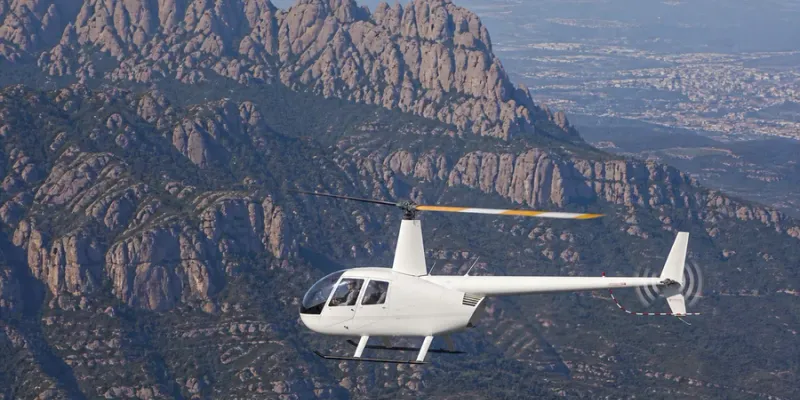
When you review prices, check what is included in a general sense. Look for clear information about the route, flight duration, meeting arrangements and any extra items that affect the total. Avoid guessing. If a detail is unclear, treat that uncertainty as part of your comparison rather than filling the gap yourself.
It also helps to decide whether this is a standalone outing or part of a wider day. If you have other plans nearby, a shorter flight with simple timing may fit better. If the flight is the main event, a fuller route may feel more satisfying. The practical shape of your day matters as much as the view.
Check the flight route in detail
The flight route is the heart of the choice. Read it as a sequence rather than a list of famous names. Where does the flight begin? Which areas are crossed? Does it follow the Barcelona coastline, turn inland, or circle a landmark? A route with a smooth path often gives a better overall impression than one that tries to include too much in a short span.
Pay attention to timing as well as geography. A route that includes the Sagrada Familia early may leave limited time for the waterfront. A route that stays along the coast may offer beautiful light but fewer city landmarks. If Montjuïc Castle or the Port of Barcelona matters to you, check that the description genuinely includes it rather than simply mentioning the wider area.
Ask whether the route is fixed or subject to change. Weather, air traffic and local operating conditions can affect flight paths. A responsible description will make that clear without turning every detail into a caveat. Flexibility is normal, but vague wording can make it hard to know what you are choosing.
Match the flight duration to your comfort and schedule
Flight duration shapes the whole experience. A short flight can be intense and exciting, especially if the route is tightly planned. A longer flight gives more time for photography, for taking in the scale of the city and for recognising landmarks as they appear. It also asks more of passengers who are new to helicopters or unsure about confined spaces.
Be honest about your comfort level. If you are nervous about flying, a shorter first experience may be easier to manage. If you want a calm, unhurried view and enjoy spotting detail, a longer route may be worth considering. Children, older travellers and anyone sensitive to noise or motion may also prefer a simpler option.
Remember that the advertised flight time is only one part of the visit. Arrival, check-in, safety briefing and boarding all take place around the flight. When planning the rest of the day, leave room around the scheduled time rather than building a tight connection immediately afterwards.
Read the meeting and helipad information carefully
Where the flight starts can affect your day more than expected. A helipad may be close to the waterfront, inland, or linked to a wider transport route. Check the exact meeting instructions and allow enough time to arrive without rushing. In a busy city, traffic and crowded streets can turn a small distance into a longer journey.

Look for practical details such as what to bring, when to arrive and how boarding is organised. If the page directs you to helicoptertourbarcelona.com for the main details, use that information to confirm the basics before you make other plans. Clear arrival information is a sign that the experience has been thought through for visitors who may not know the area.
Also consider what happens after the flight. If you want to continue along the waterfront, choose a starting point that makes that easy. If you are coming from a central base, check how quickly you can reach the meeting point. The flight itself may last only a short time, so the surrounding logistics deserve real attention.
Compare the photography and viewing conditions
Many people choose a helicopter flight for photographs. If that applies, look at how the route handles light and viewing angles. The Barcelona coastline can look very different in bright midday light, soft evening light or hazy conditions. A route that gives you time over open views is usually easier for photography than one that turns quickly between subjects.
Window seats and seating arrangement may matter, but they should not be treated as a promise unless the information is explicit. If a particular view is important, ask how seating is handled before booking. It is better to understand the answer in advance than to hope for the best on the day.
Weather is another practical part of the decision. Wind, cloud and visibility can affect both comfort and what can be seen. Check the stated approach for poor conditions before committing, especially if your visit to the city is short. A flight that can be moved is easier to plan around than one that leaves you guessing.
Look closely at safety information and passenger rules
Safety details should be easy to find and written in plain language. Check whether the operator provides a briefing, how passengers are briefed, and what rules apply to luggage, children and mobility needs. These points are not glamorous, but they shape whether the experience works for your group.
Do not try to solve mechanical, technical or operational issues yourself. Aviation safety is handled by qualified professionals. If something about the aircraft, equipment or procedure worries you, raise it before boarding and follow the guidance given. A clear explanation from staff is far more useful than assumptions made from a distance.
Passenger rules also deserve attention. Weight limits, age rules and group sizing can affect who can take part and how seats are arranged. Check these details early if you are booking for several people. It prevents awkward decisions later and helps the group choose a suitable option from the start.
Read recent feedback with a critical eye
Reviews can help, but they need context. Look for repeated comments about the same points, such as clear instructions, good visibility, a well paced route or a smooth check-in. Repeated concerns matter too, especially when they involve timing, communication or unclear meeting details.
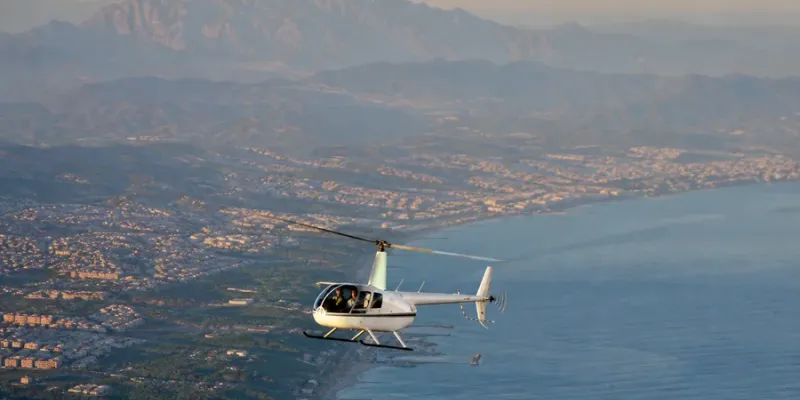
Ignore comments that focus only on taste or mood without useful detail. A short complaint about weather may say little about the flight itself, while a consistent note about confusion at arrival can be very practical. The goal is to learn how the experience is organised, not to expect every visit to feel identical.
When comparing feedback, separate what the reviewer wanted from what the flight actually offered. Someone hoping for a long sightseeing circuit may judge a short coastal flight harshly, even if that flight was clearly described. Your own priorities should carry more weight than a generic rating.
Confirm the final details before committing
Once a route, duration and time window feel right, do a final pass over the whole choice. Check the route again, confirm what is included, review the meeting point and make sure every passenger can take part. This is where many small mistakes are caught, from arriving at the wrong place to choosing a flight that misses the landmark you cared about most.
Keep your plan simple from this point. Save the key information somewhere you can access on the day, and leave extra time for arrival. If weather or local conditions require a change, stay flexible and ask for clear guidance. A good choice is not just the most exciting route on paper. It is the one that fits your sights, your schedule and your comfort, then delivers a clear aerial view of Barcelona when you are ready to fly.